How To Use Online Video Download Tools Responsibly
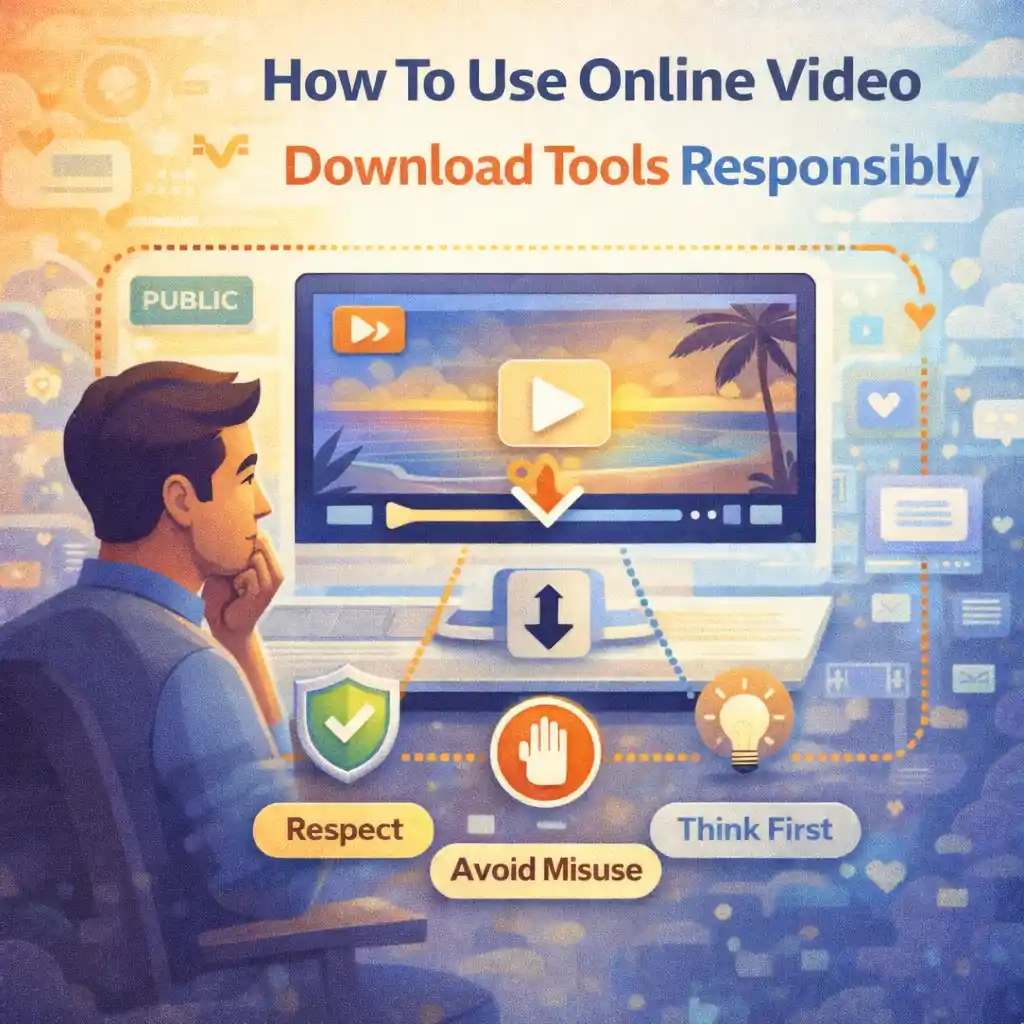
Online video content has become a big part of daily life. People watch videos to learn new skills, understand ideas, and explore creativity. Along with this growth, online video download tools have also become popular. These tools help users manage videos that are already publicly available online.
However, using such tools comes with responsibility. Many beginners focus only on convenience and forget about ethical and responsible usage. This article explains how to use online video download tools responsibly in simple and easy words, so anyone can understand. There is no technical language and no complicated rules—only clear guidance.
We will also mention Snapsora only as a utility tool that helps users manage publicly available videos. It is not a video creator, editor, or owner.
What Does “Responsible Use” Mean?
Responsible use means:
-
Using tools for the right reasons
-
Respecting content ownership
-
Avoiding misuse or confusion
-
Thinking before acting
In simple words, responsible use is about doing the right thing, even when a tool makes things easy.
Understand What the Tool Is Meant For
Before using any video download tool, users should first understand its purpose.
Most online video download tools are meant to:
-
Help manage publicly available videos
-
Support learning and reference
-
Improve file organization
They are not meant to:
-
Change ownership
-
Remove credit
-
Mislead others
Knowing this difference is the first step toward responsible use.
Publicly Available Does Not Mean Owner-Free
A very common mistake beginners make is assuming:
“If a video is public, I can do anything with it.”
Publicly available means:
-
You can watch the video
-
You can learn from it
It does not mean:
-
You own the video
-
You can claim it as yours
-
You can use it without limits
Responsible users always remember this rule.
Use Videos for Personal and Educational Purposes
The safest and most responsible way to use online video tools is for:
-
Learning
-
Education
-
Research
-
Personal reference
For example:
-
Watching offline for study
-
Analyzing visual style
-
Understanding concepts
These uses respect both creators and platforms.
Avoid Misrepresentation at All Times
Misrepresentation means showing content in a false way.
Examples of irresponsible behavior include:
-
Claiming someone else’s video as your own
-
Sharing AI-generated videos as real events
-
Hiding the original source
Responsible users never mislead others.
Respect Watermarks and Labels
Many videos include watermarks or labels. These exist to:
-
Show the source
-
Protect creators
-
Maintain transparency
Responsible use means:
-
Respecting watermarks
-
Understanding their purpose
-
Not treating them as obstacles
Watermarks are guides, not problems.
Understand the Difference Between Access and Rights
Having access to a video does not give you rights over it.
Access means:
-
You can view it
Rights mean:
-
You can control how it is used
Responsible users know that access does not equal ownership.
Do Not Confuse Convenience With Permission
Online tools make tasks easy, but ease does not mean permission.
Just because a tool allows an action:
-
Does not mean it is always appropriate
-
Does not remove responsibility
Responsible users think beyond convenience.
Be Careful When Sharing Videos
Sharing videos is powerful. Responsible sharing means:
-
Sharing with proper context
-
Not spreading confusion
-
Not encouraging misuse
Before sharing, ask yourself:
-
“Am I respecting the source?”
-
“Could this confuse someone?”
Responsible Use of AI-Generated Videos
AI-generated videos often look very real. Because of this:
-
Users should not present them as real events
-
Users should understand they are generated
-
Users should respect labels and context
Honesty is essential when dealing with AI content.
Understand the Tool’s Limits
Responsible users understand tool limits.
Most video download tools:
-
Do not host content
-
Do not own content
-
Do not control rights
They simply assist with handling videos. Expecting more can lead to misuse.
Use Tools With Clear Intent
Before using a video download tool, ask:
-
Why do I need this video?
-
Is my use reasonable?
-
Am I respecting the creator?
Clear intent leads to responsible behavior.
Avoid Commercial Misuse
Using publicly available videos for commercial purposes without permission is risky and irresponsible.
Responsible users:
-
Avoid commercial misuse
-
Stay within personal or educational use
-
Respect platform rules
This protects both users and creators.
Learn Platform Rules
Every platform has its own rules.
Responsible users:
-
Read basic platform guidelines
-
Understand what is allowed
-
Respect restrictions
Following rules is part of ethical digital behavior.
Role of Utility Tools in Responsible Use
Utility tools like Snapsora are designed to:
-
Help manage publicly available videos
-
Improve organization
-
Support learning
They do not:
-
Decide how content is used
-
Remove responsibility from users
Responsibility always belongs to the user.
Common Mistakes Beginners Should Avoid
Beginners often make mistakes such as:
-
Ignoring source information
-
Assuming AI content has no rules
-
Sharing without understanding
Learning responsible use early prevents these mistakes.
Why Responsible Use Protects Everyone
Responsible use protects:
-
Creators from misuse
-
Viewers from misinformation
-
Platforms from abuse
-
Users from future problems
Everyone benefits when responsibility is followed.
Responsible Use Builds Trust Online
Trust is built when users:
-
Act honestly
-
Respect ownership
-
Share responsibly
Irresponsible use damages trust quickly.
Long-Term Benefits of Responsible Behavior
Responsible users enjoy:
-
Better digital reputation
-
Safer online experience
-
Long-term access to tools
Short-term misuse can lead to long-term problems.
Teaching Responsibility Through Awareness
Understanding responsibility helps users:
-
Think critically
-
Make better decisions
-
Use technology wisely
Education is the key to responsible behavior.
Why Beginners Should Learn This First
Beginners build habits early. Learning responsibility early:
-
Creates good habits
-
Prevents mistakes
-
Builds digital maturity
Good habits last longer than shortcuts.
Simple Rules for Responsible Use
Easy rules to remember:
-
Respect the source
-
Avoid misrepresentation
-
Use content for learning
-
Think before sharing
These rules are simple but powerful.
Responsible Use in a Growing AI World
As AI content grows:
-
Responsibility becomes more important
-
Awareness becomes necessary
-
Ethics become essential
Users who act responsibly help shape a better digital future.
The Bigger Picture
Online video tools are helpful, but they are not free from responsibility. How users behave today will decide how tools are treated tomorrow.
Responsible use ensures:
-
Tools remain available
-
Content remains trustworthy
-
Digital spaces remain healthy
Conclusion
Using online video download tools responsibly means understanding purpose, respecting content ownership, avoiding misuse, and acting ethically. Public availability does not remove responsibility. Convenience does not replace respect.
Utility tools like Snapsora help users manage publicly available videos for learning and reference, but they do not change ownership or rights. Responsible use always depends on the user. By following simple rules and acting with awareness, users can enjoy the benefits of online video tools while maintaining trust, fairness, and digital respect.
Responsibility & Disclaimer
This article is for educational purposes only. Snapsora is a utility tool designed to help users manage publicly available AI video content responsibly. It does not generate, host, own, or control any video content. Users are responsible for respecting content ownership, platform policies, and applicable rules when using online video tools.