Understanding AI-Generated Videos In Simple Words
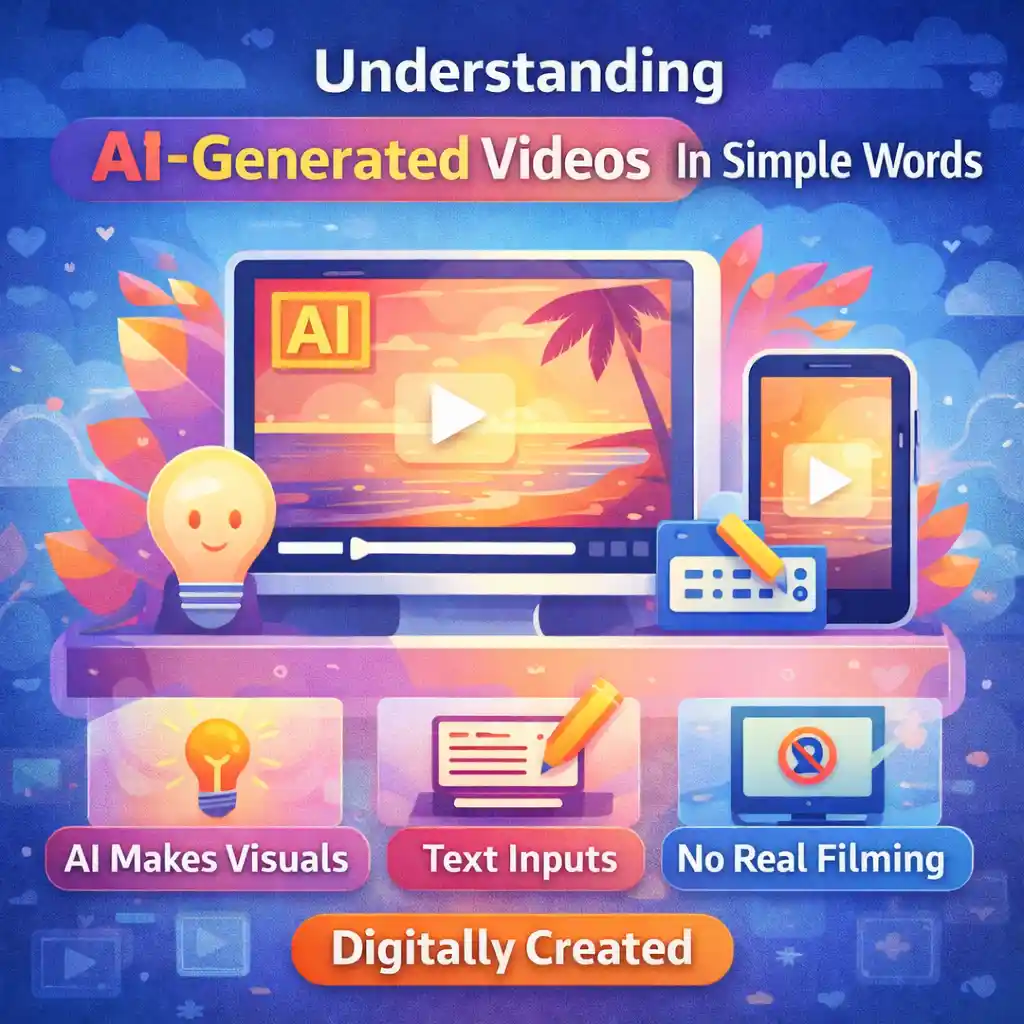
Artificial intelligence has changed many parts of our digital life, and video content is one of the most interesting areas affected by this change. AI-generated videos often look realistic, smooth, and creative, which can be surprising for beginners. Many people hear the term “AI-generated video” but do not fully understand what it means or how it works.
This article explains AI-generated videos in simple words, without technical language. The goal is to help beginners clearly understand the concept, how these videos are made at a basic level, and how people usually interact with them. We will also mention Snapsora only as a utility tool that helps users manage publicly available AI video content—not as a video creator.
What Does “AI-Generated Video” Mean?
An AI-generated video is a video created with the help of artificial intelligence instead of traditional cameras, actors, or filming locations.
In simple terms:
-
A human gives instructions
-
AI understands those instructions
-
AI creates moving visuals based on patterns it has learned
No physical camera records the scene. Everything happens digitally.
How AI Learns To Create Videos (Simple Idea)
AI does not “think” like humans. Instead, it learns from examples.
AI video systems are trained using:
-
Large collections of videos
-
Images and motion patterns
-
Lighting, movement, and scene structure
From this data, AI learns:
-
How objects move
-
How scenes change
-
How motion looks natural
When given instructions, the AI uses what it learned to create new visuals.
Text Instructions Explained Simply
Most AI video systems work with text instructions. These instructions describe:
-
What should appear in the video
-
How the scene should look
-
What kind of movement is expected
For example, a description of a calm beach scene helps AI understand:
-
Environment
-
Mood
-
Motion
The AI then turns these words into moving images.
Why AI Videos Look So Real
Many beginners wonder why AI-generated videos look realistic.
The main reasons are:
-
AI has studied millions of real videos
-
It understands light, motion, and depth
-
It copies patterns found in real-world footage
Because of this, AI can create videos that feel natural, even though they are fully digital.
AI Videos vs Regular Videos
The biggest difference between AI videos and regular videos is how they are made.
Regular videos:
-
Are recorded using cameras
-
Need actors, locations, and equipment
-
Require editing software
AI-generated videos:
-
Are created digitally
-
Do not need physical filming
-
Are produced using learned patterns
Both result in videos, but the creation process is very different.
Why People Are Interested In AI Videos
AI-generated videos attract attention for many reasons:
-
They show what technology can do
-
They help people experiment with ideas
-
They reduce the need for physical resources
People often use AI videos for:
-
Learning and demonstrations
-
Visual storytelling
-
Creative inspiration
Common Uses of AI-Generated Videos
AI-generated videos are often used in:
-
Education and training
-
Research and testing
-
Concept demonstrations
-
Creative experiments
They are especially helpful when real filming is not practical.
What AI Videos Are NOT
It is important to understand what AI videos are not:
-
They are not recorded real events
-
They are not proof of something happening
-
They are not owned by AI itself
AI videos are generated visuals, not real footage.
Understanding Quality Differences
Not all AI-generated videos look the same. Quality can depend on:
-
The AI system used
-
The clarity of instructions
-
The complexity of the scene
Some videos look highly realistic, while others look more artistic or abstract.
Why AI Videos Are Often Shared Online
People share AI videos online because:
-
They are visually interesting
-
They show creativity
-
They demonstrate new technology
Once shared publicly, these videos become accessible to viewers around the world.
Public Availability and User Access
When an AI-generated video is made public:
-
Anyone with the link can view it
-
It may be discussed or studied
-
It may be referenced for learning
Tools like Snapsora help users manage such publicly available videos, but they do not create or own them.
Watermarks and AI Videos
Many AI-generated videos include watermarks. A watermark:
-
Shows the source
-
Protects creators
-
Maintains authenticity
Watermarks are part of responsible digital content sharing and should be respected.
AI Videos and Responsibility
Because AI videos look realistic, responsibility matters.
Users should:
-
Avoid spreading misleading content
-
Understand the difference between real and generated videos
-
Use AI visuals ethically
Education helps prevent confusion and misuse.
Privacy and AI Videos
AI-generated videos usually do not record real people unless specific data is used. Still, platforms apply rules to:
-
Protect individuals
-
Avoid misuse
-
Maintain trust
Users should always respect platform policies.
Why Beginners Should Learn About AI Videos
Understanding AI-generated videos helps beginners:
-
Avoid confusion
-
Recognize digital content
-
Use tools responsibly
Knowledge builds confidence and awareness.
The Role of Utility Tools
Once AI-generated videos are public, some users want to:
-
Organize them
-
Study them
-
Keep them for reference
Utility tools like Snapsora support file management, not creation or ownership.
Myths About AI-Generated Videos
Some common myths include:
-
AI videos are always fake news
-
AI videos replace all human creativity
-
AI owns the content it creates
These ideas are incorrect. AI is a tool, not a decision-maker.
The Future of AI-Generated Videos
AI-generated videos will likely:
-
Become more common
-
Improve in quality
-
Be used in education and creativity
Understanding them now prepares users for the future.
Why Simple Explanations Matter
Complex explanations confuse beginners. Simple understanding:
-
Reduces fear
-
Encourages learning
-
Builds responsible usage
This is why explaining AI videos in easy words is important.
Conclusion
AI-generated videos are digitally created visuals made using artificial intelligence. They are based on learned patterns, not real-world filming. These videos are used for learning, creativity, and demonstration. Understanding them in simple terms helps beginners recognize what they are seeing and how to interact with such content responsibly.
Utility tools like Snapsora exist only to help users manage publicly available AI videos, not to create or control them. With basic knowledge, users can explore AI-generated videos confidently and ethically.
Responsibility & Disclaimer
This article is for educational purposes only. Snapsora is a utility tool designed to help users manage publicly available AI video content responsibly. It does not generate, host, own, or control any video content. Users are responsible for respecting content ownership, platform policies, and applicable rules when working with online videos.